The Wear Cart
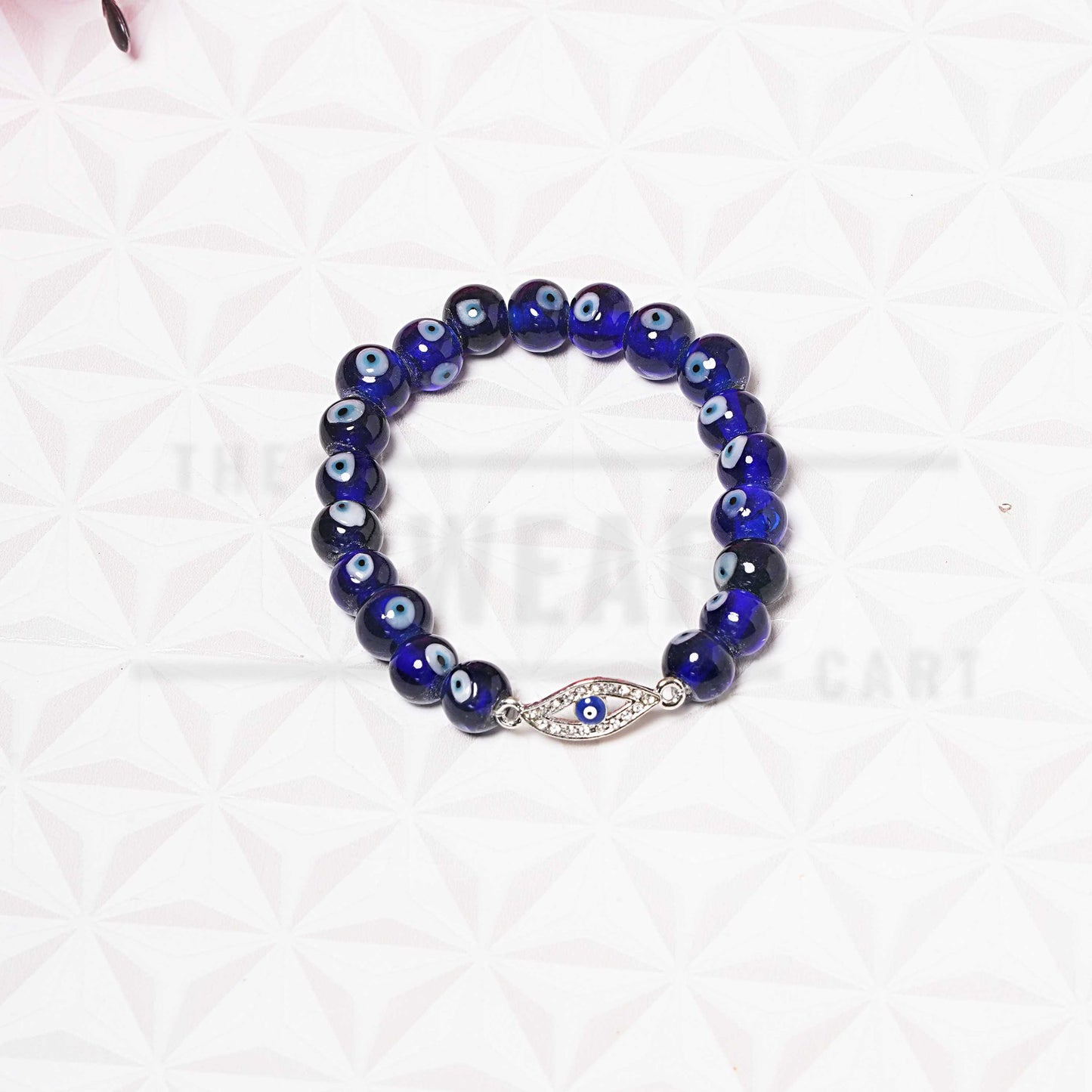
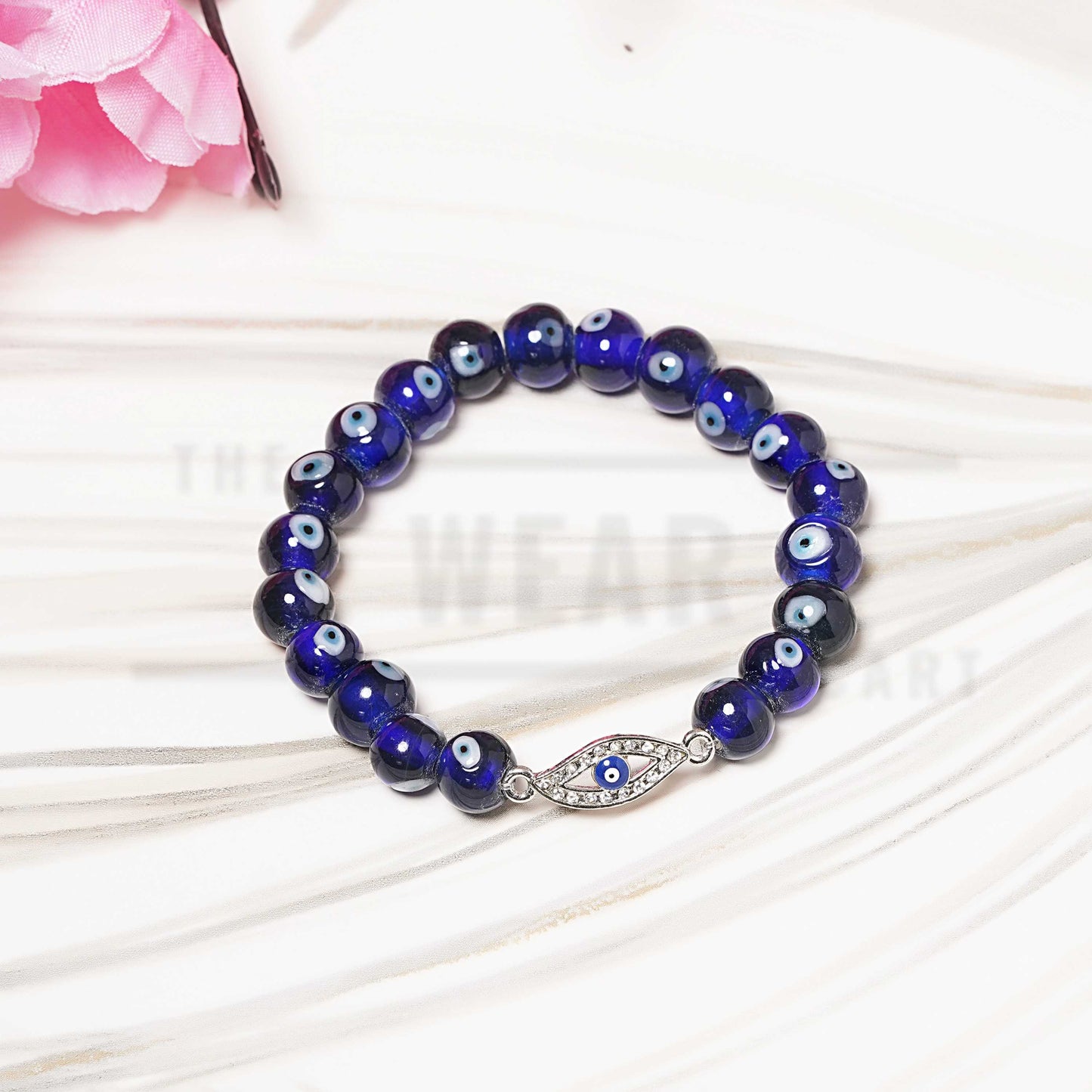
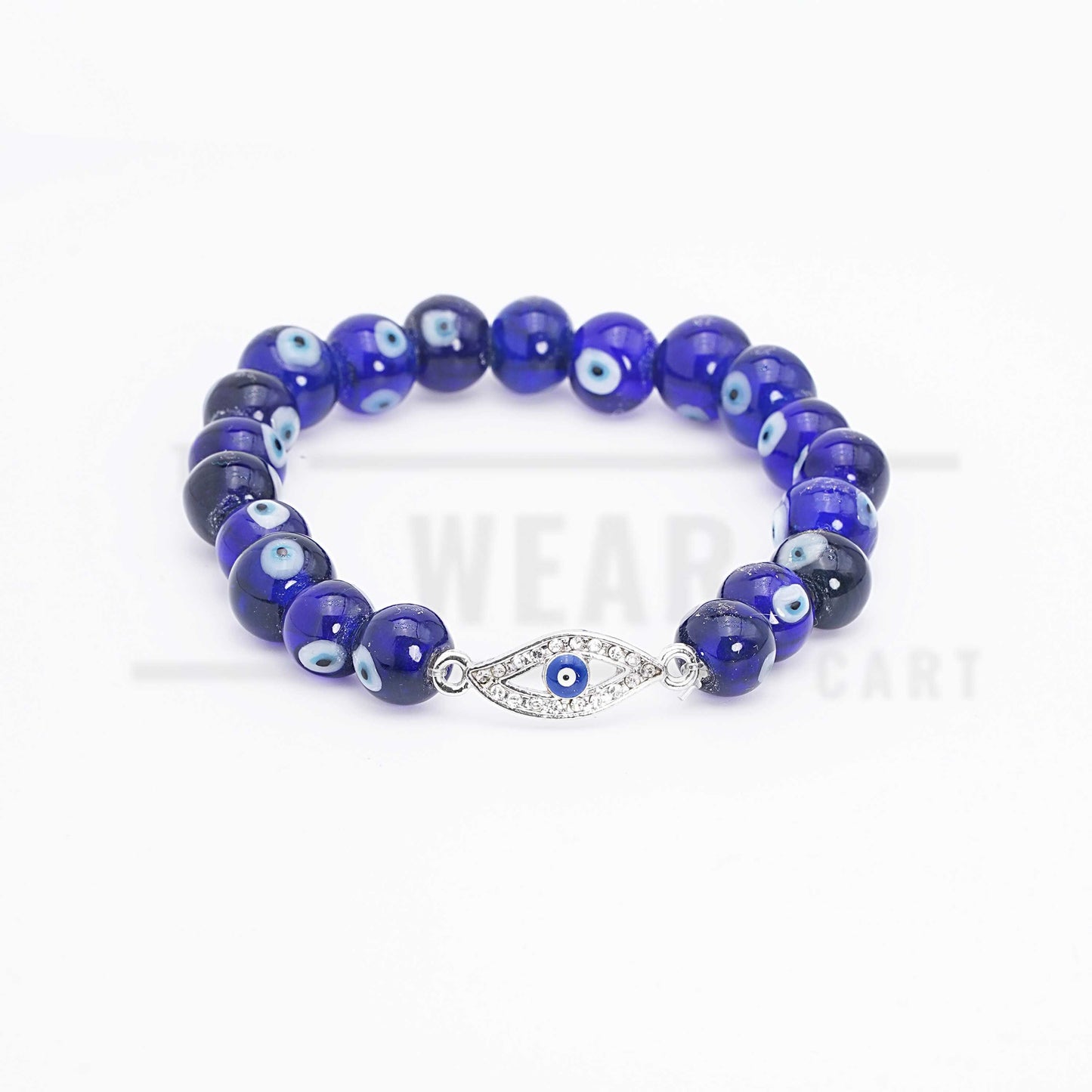
Blue Eye Bracelet – Evil Eye Symbol
Blue Eye Bracelet – Evil Eye Symbol
✓ 16,000+ Happy Customers Worldwide
👨🏻💻 Order with confidence — support is available before and after your purchase
📦Open Box Delivery is not available. If you have any concerns, our support team is always ready to assist.
🎁 Deliver with in 3 to 5 days
Couldn't load pickup availability
✓ Quick response ✓ Instant confirmation ✓ Easy ordering
Blue Eye Bracelet – Evil Eye Symbol
One of the most universally recognised protective symbols in the world, the Evil Eye (Nazar) has been a part of human cultural expression for over 5,000 years. The Blue Eye Bracelet features this iconic symbol in its classic blue-and-white form — a beautifully crafted piece that carries deep cultural heritage from Mediterranean, Middle Eastern, Turkish, and South Asian traditions.
Product Highlights
- Symbol: Evil Eye (Nazar / Blue Eye)
- Colour: Classic blue and white Evil Eye motif
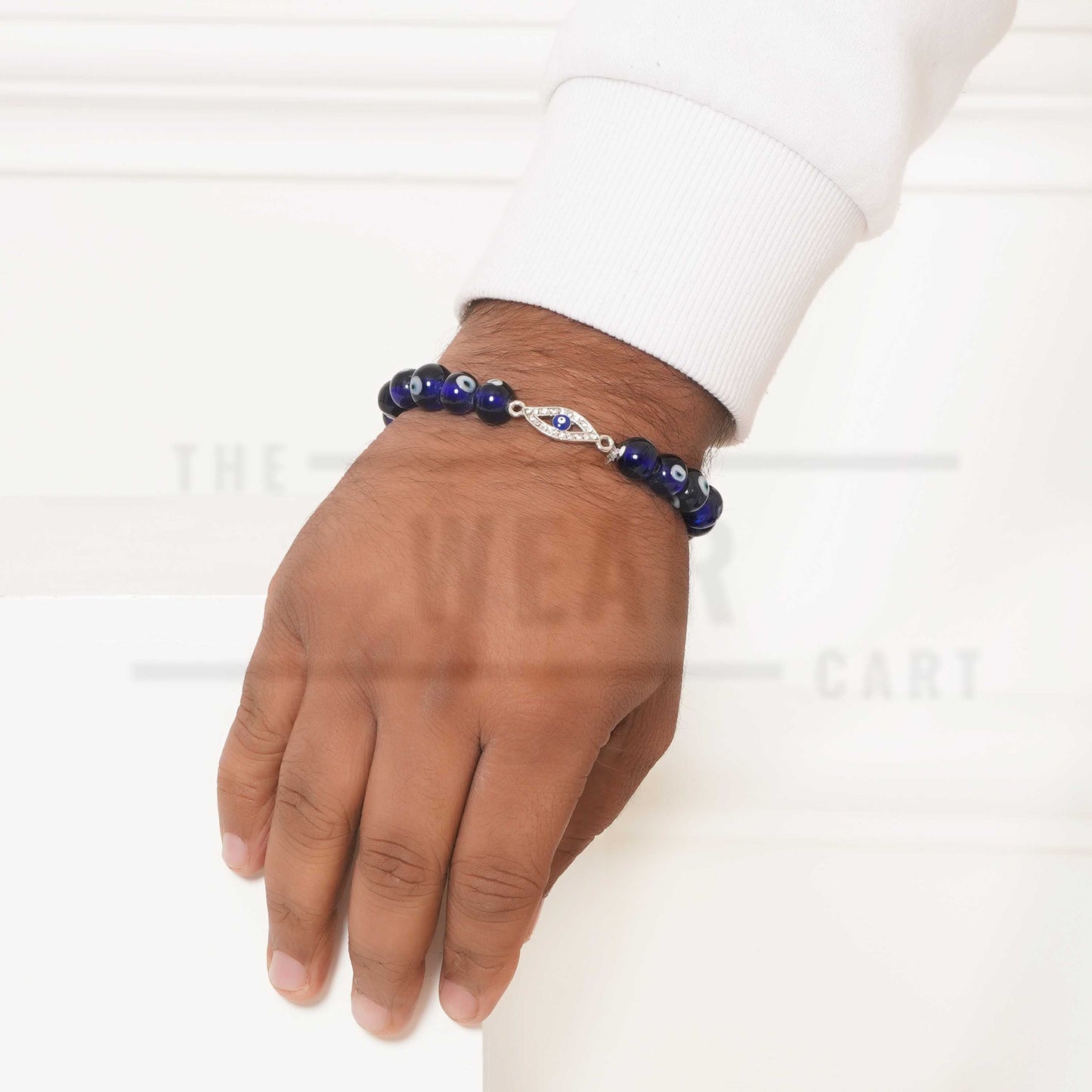
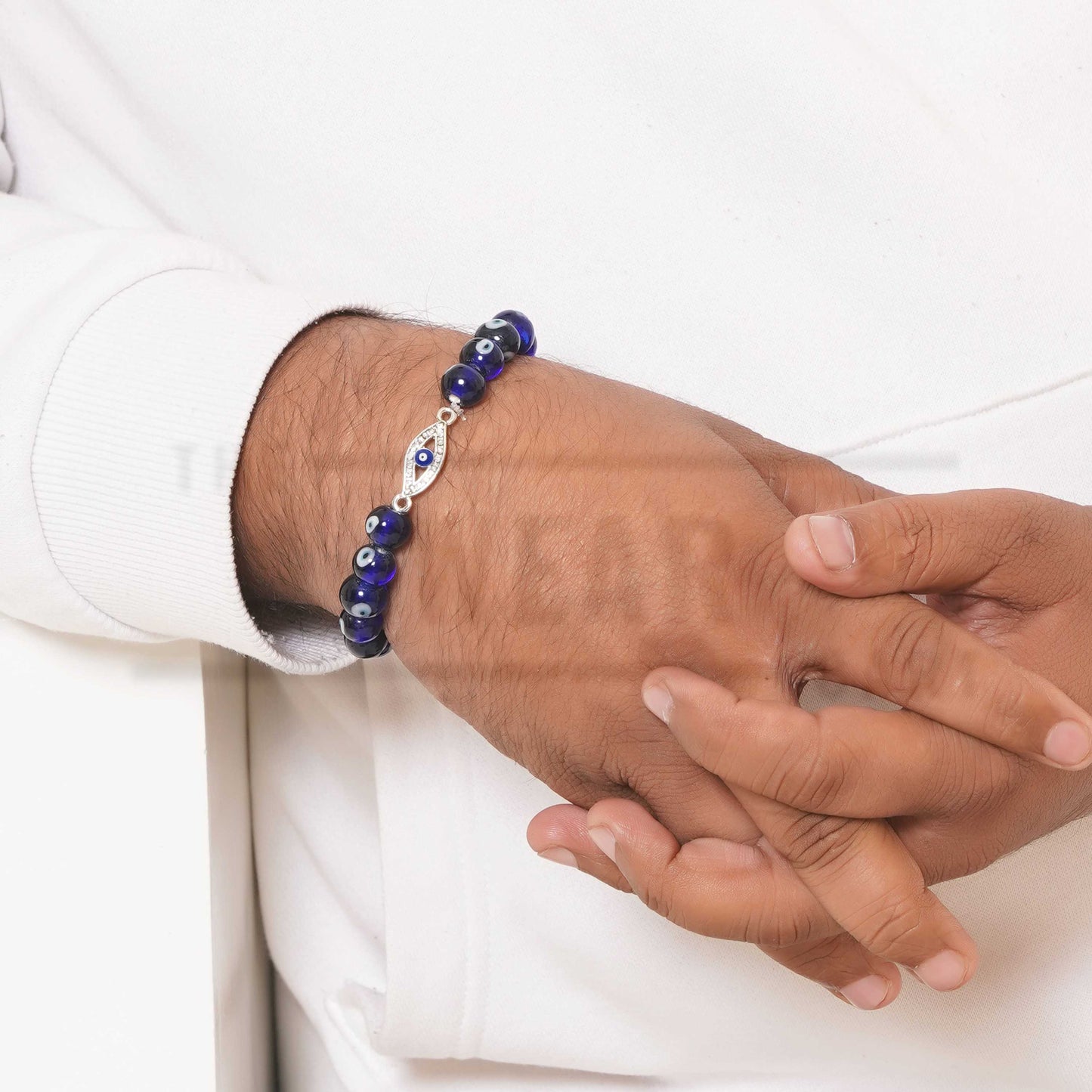
- Style: Bracelet with Evil Eye charm/bead
- Fit: Adjustable — fits most wrist sizes
- Gender: Unisex
The Evil Eye – A Symbol Across Cultures
The Evil Eye (known as Nazar in Turkish, Ayin Hara in Hebrew, and Mal de Ojo in Spanish) is one of the oldest and most widespread cultural symbols in human history. Found across ancient Egyptian, Greek, Roman, Ottoman, and Indian traditions, it has been used for millennia as a protective amulet — traditionally believed to ward off envy and negative intentions from others.
The distinctive blue colour of the Evil Eye is particularly associated with Turkish and Mediterranean tradition, where blue glass amulets (Nazar boncuğu) have been crafted and worn for centuries. Today, the Evil Eye symbol is embraced globally as a meaningful cultural accessory and a bold, recognisable design element.
Styling Notes
The vivid blue of the Evil Eye pairs beautifully with both casual and formal outfits, and its universal recognition makes it a conversation piece wherever you wear it. A meaningful gift for friends and family across cultures.
Note to Customer: We do not claim any specific benefits. The cultural associations described are rooted in historical and spiritual tradition across multiple cultures. Any associations mentioned reflect these traditions and personal experiences. The significance varies from person to person based on individual beliefs and practices.
Share